Diesel engines operate fundamentally differently from gasoline engines, using compression ignition instead of spark plugs to ignite fuel. Understanding how diesel engines work helps explain why they need different maintenance approaches than their gasoline counterparts. The higher compression ratios, unique fuel delivery systems, and different operating temperatures all contribute to both their legendary durability and their need for specialized care.
The Basic Difference Between Diesel and Gasoline Engines
The core distinction lies in how fuel ignites inside the combustion chamber. Gasoline engines mix fuel and air, then use a spark plug to create ignition. Diesel engines compress air to extremely high pressures, raising its temperature to around 1000 degrees Fahrenheit before injecting fuel directly into that superheated air. The fuel ignites spontaneously from the heat alone.
This compression ignition process requires much stronger engine components. Diesel engines typically run compression ratios between 14:1 and 25:1, compared to 8:1 to 12:1 in gasoline engines. Those higher pressures mean heavier pistons, stronger connecting rods, and more robust crankshafts, which contributes to both the engine’s weight and its longevity.
The Four-Stroke Diesel Cycle Explained
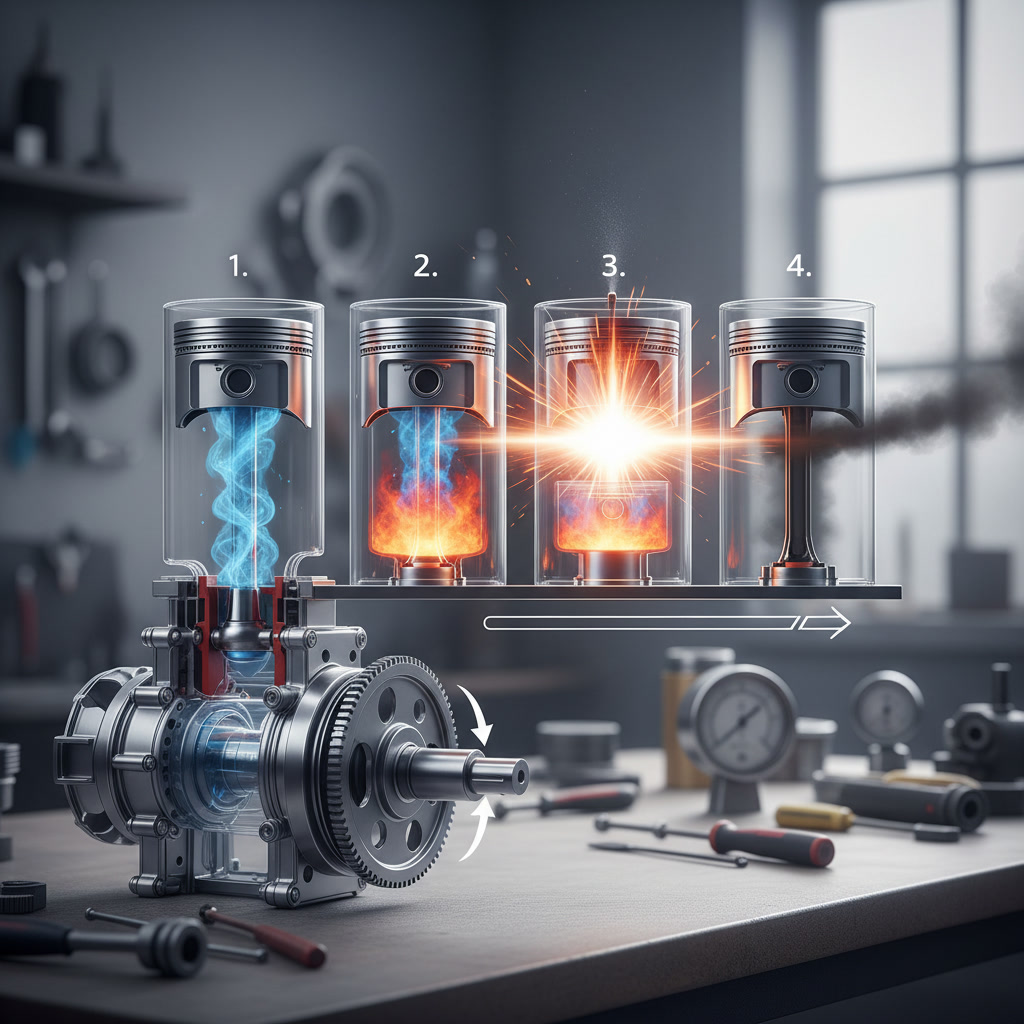
Diesel engines follow the same four-stroke cycle as gasoline engines but with critical differences in execution. During the intake stroke, only air enters the cylinder through the open intake valve. The compression stroke then squeezes that air into a fraction of its original volume, generating intense heat.
At the top of the compression stroke, the fuel injector sprays a precise mist of diesel fuel into the combustion chamber. The fuel ignites immediately upon contact with the superheated compressed air, driving the piston down in the power stroke. Finally, the exhaust stroke pushes spent gases out through the exhaust valve, and the cycle repeats.
Why Fuel Injection Systems Matter
Modern diesel engines use sophisticated high-pressure fuel injection systems that operate at pressures exceeding 30,000 pounds per square inch. These systems must deliver fuel in microsecond bursts with extreme precision. Even tiny variations in injection timing or fuel quantity can dramatically affect power output, fuel economy, and emissions.
Common rail injection systems, found in most modern diesels, maintain fuel at constant high pressure in a shared rail feeding all cylinders. Electronic controls then meter exactly how much fuel each injector delivers and when. This technology enables multiple injection events per combustion cycle, reducing noise and emissions while improving efficiency.
The precision required means fuel quality becomes critical. Contaminated diesel fuel can damage injectors costing thousands to replace. Water in fuel is particularly destructive because diesel fuel also lubricates the high-pressure fuel pump and injectors. Without proper lubrication, these components wear rapidly.
The Role of Turbochargers in Diesel Performance
Most modern diesel engines use turbochargers to force more air into the cylinders, allowing them to burn more fuel and produce more power without increasing engine size. The turbocharger uses exhaust gases to spin a turbine connected to a compressor that pressurizes incoming air.
Turbocharged diesels can produce enormous torque at low engine speeds, which explains their popularity in trucks and heavy equipment. However, turbochargers operate at extreme temperatures and speeds, often exceeding 100,000 rotations per minute. They require clean oil delivered at proper pressure to survive. Oil starvation or contaminated oil destroys turbocharger bearings quickly.
Emissions Controls and Their Maintenance Needs
Modern diesel engines include complex emissions systems that require regular attention. Diesel particulate filters capture soot from exhaust gases, but these filters must periodically regenerate by burning off accumulated particles at high temperatures. Failed regeneration cycles can clog the filter, causing severe performance problems and expensive repairs.
Diesel exhaust fluid systems inject a urea solution into the exhaust stream to reduce nitrogen oxide emissions. This fluid must be refilled regularly, and the system includes sensors, injectors, and pumps that can fail if the fluid becomes contaminated or the tank runs dry. Ignoring the diesel exhaust fluid warning light can result in reduced engine power or even prevent the engine from starting.
Oil Changes Are Different for Diesel Engines
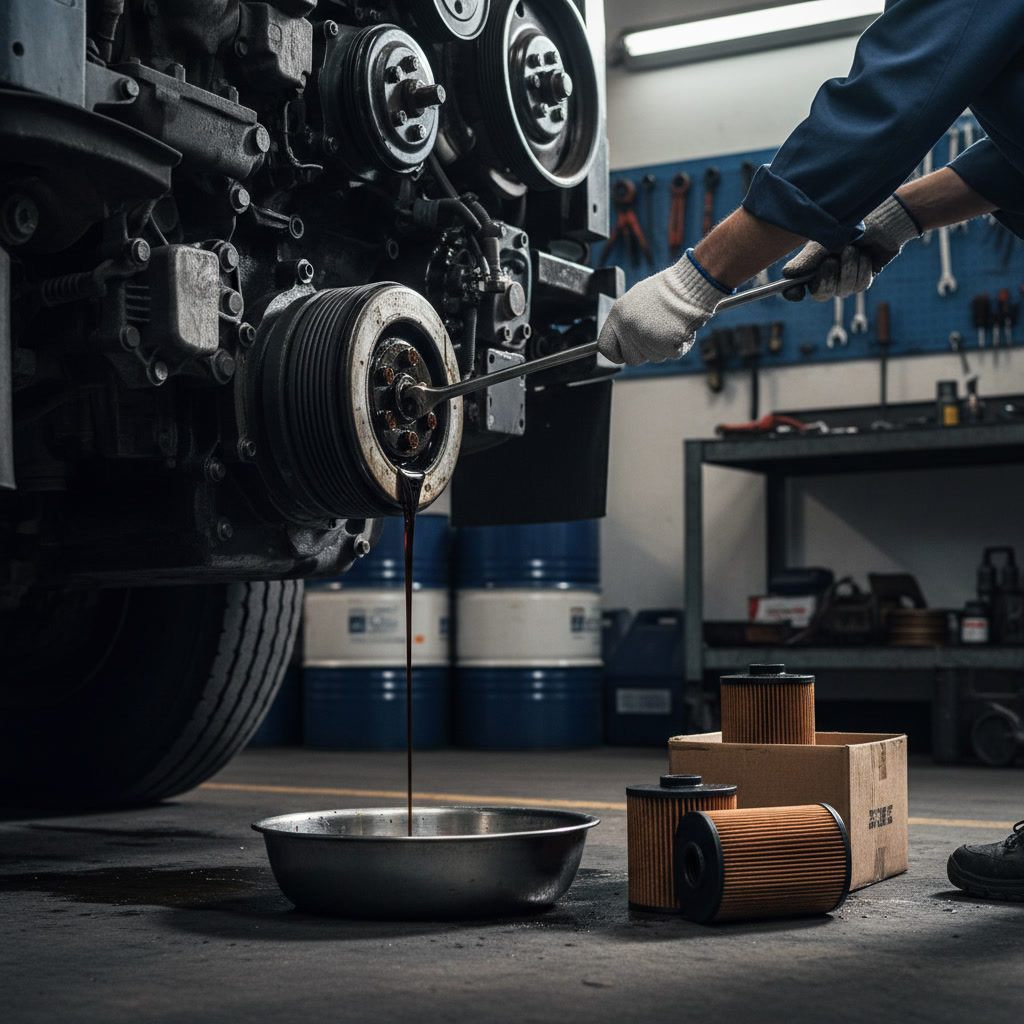
Diesel engines contaminate their oil differently than gasoline engines. Soot from incomplete combustion enters the oil, and diesel fuel dilution occurs when excess fuel washes past piston rings. The oil also faces higher operating temperatures and pressures. These factors mean diesel engines need oils formulated specifically for diesel service, with different additive packages than gasoline engine oils.
Change intervals depend on operating conditions. Highway driving allows longer intervals than stop-and-go city use or idling. Many diesel owners make the mistake of extending oil changes based on mileage alone, but hours of operation and operating conditions matter more. A diesel that idles extensively for power take-off equipment needs more frequent oil changes than one used primarily for highway driving, even if the mileage is lower.
Specialized Diesel Maintenance in San Marcos
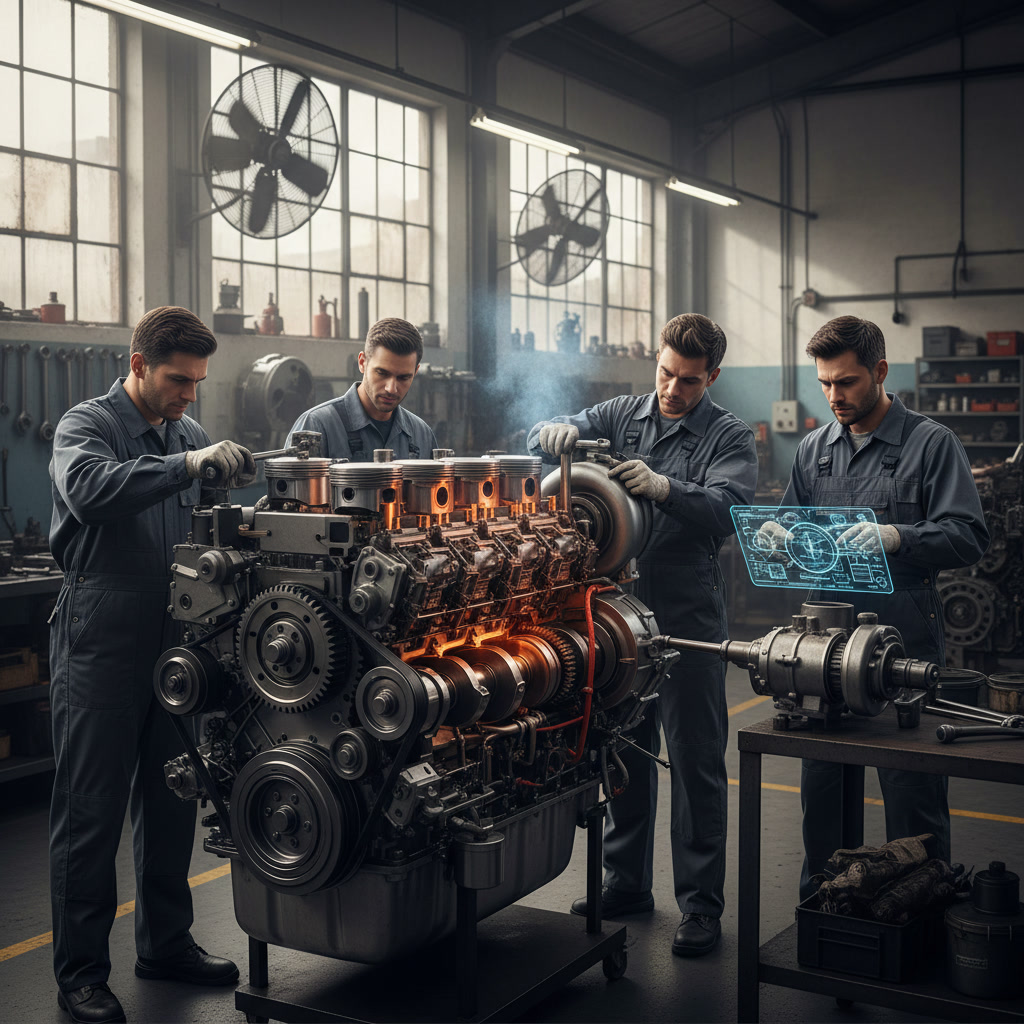
Working on diesel engines requires different tools, diagnostic equipment, and technical knowledge than gasoline engine repair. Fuel system diagnostics need specialized pressure gauges and electronic scan tools calibrated for diesel-specific sensors. Injector testing requires equipment not found in every shop.
Technicians need training on the particular challenges diesel engines present. Glow plug systems, which preheat combustion chambers for cold starts, require different diagnostic approaches than spark ignition systems. Timing adjustments on mechanical injection pumps demand precision skills that differ entirely from distributor timing on older gasoline engines.
APREMIER Auto Shops maintains the specialized equipment and training needed to properly diagnose and repair diesel engines serving San Marcos and the surrounding Hays County area. The shop handles everything from routine maintenance to complex fuel system repairs and major engine work.
Five Critical Diesel Maintenance Tasks
First, fuel filter changes deserve more attention than most diesel owners give them. Diesel fuel contains more contaminants than gasoline, and filters trap water along with particles. Most diesels have both primary and secondary fuel filters that need regular replacement.
Second, air filter maintenance directly affects performance and longevity. Restricted air filters force the engine to work harder, reducing efficiency and potentially causing incomplete combustion that increases soot production. Turbocharged engines are especially sensitive to air restriction.
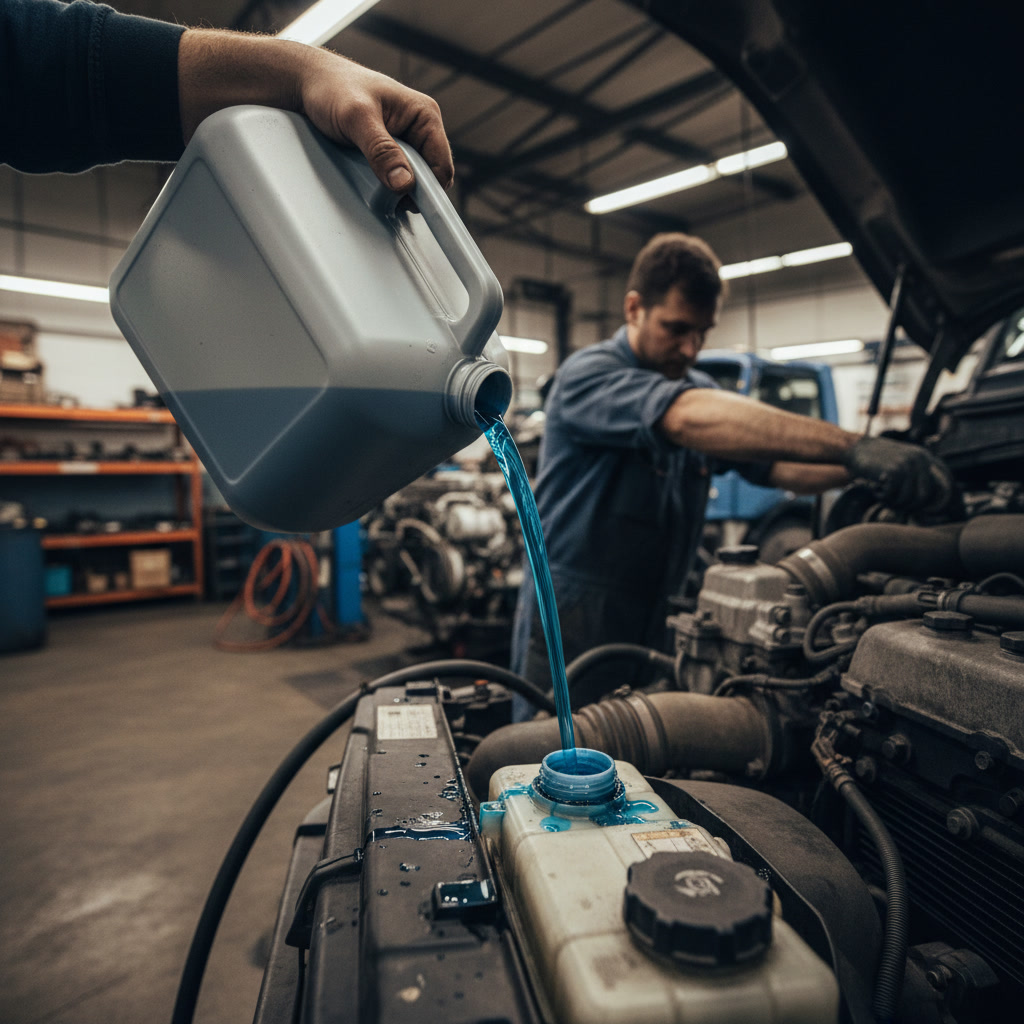
Third, cooling system maintenance prevents overheating that can warp cylinder heads or damage head gaskets. Diesel engines run hotter than gasoline engines, placing greater demands on cooling systems. Coolant formulated for diesel service includes additives that prevent cavitation damage to cylinder liners.
Fourth, battery and electrical system maintenance ensures reliable starting. Diesel engines require more cranking power than gasoline engines because of their higher compression ratios. Weak batteries that might barely start a gasoline engine will fail entirely with a diesel.
Fifth, transmission service cannot be overlooked. The high torque diesel engines produce puts extra stress on transmissions. Fluid and filter changes at appropriate intervals prevent expensive transmission failures down the road.
Common Diesel Problems and Their Warning Signs
Hard starting, especially when cold, often indicates glow plug failure or fuel system problems. Glow plugs provide the extra heat needed for cold starts, and when they fail, the engine may crank extensively before starting or refuse to start at all in cold weather.
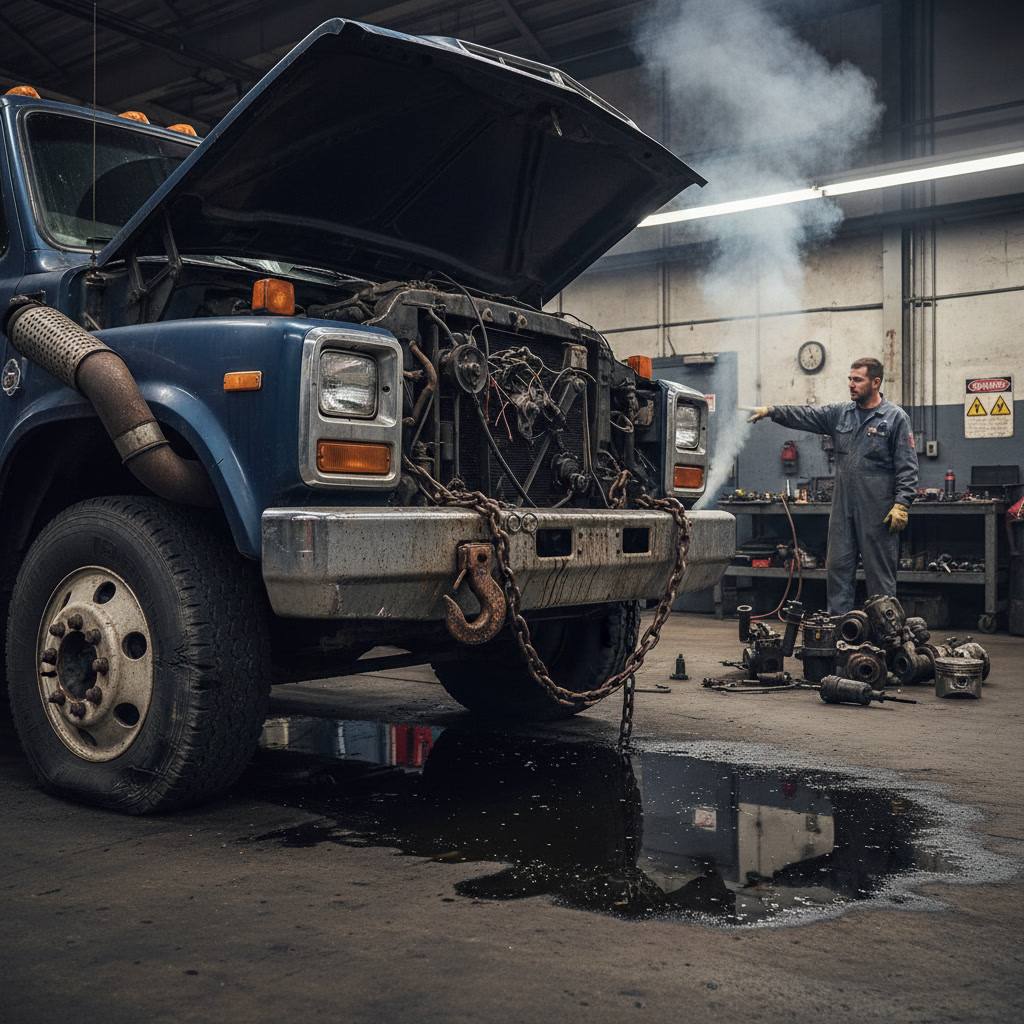
Excessive smoke tells different stories depending on color. Blue smoke indicates oil consumption, often from worn piston rings or turbocharger seals. White smoke suggests unburned fuel from injector problems, low compression, or timing issues. Black smoke means incomplete combustion from too much fuel, restricted air intake, or malfunctioning injection timing.
Loss of power can stem from restricted fuel or air filters, failing injectors, turbocharger problems, or clogged exhaust systems. Because diesels rely on forced induction, even small air leaks in the intake system between the turbocharger and engine can cause significant power loss.
Why DIY Diesel Maintenance Has Limits
While owners can handle basic tasks like checking fluids and changing filters, many diesel repairs require specialized knowledge and equipment. Fuel injection work demands cleanliness standards difficult to achieve in home garages. Even microscopic contamination can damage precision fuel system components.
Diagnostic work requires expensive scan tools and software subscriptions to access manufacturer-specific codes and live data. Generic code readers miss diesel-specific information. Without proper diagnostics, you risk replacing parts based on guesswork rather than data.
Timing adjustments, injector replacement, turbocharger service, and transmission work all exceed the capabilities of most home mechanics. These jobs require proper tools, technical documentation, and experience with diesel-specific procedures. Mistakes can result in catastrophic engine damage costing far more than professional service would have.
Keeping Your Diesel Running Strong
Diesel engines reward proper maintenance with exceptional longevity, often exceeding 300,000 miles with original major components intact. The key lies in following maintenance schedules designed for diesel-specific needs rather than treating them like gasoline engines. Regular oil analysis can catch problems early by revealing fuel dilution, coolant contamination, or abnormal wear metals before damage becomes severe.
Quality matters more than cost when selecting diesel fuel, oil, and filters. Cheap fuel with high contamination levels or off-brand filters that allow particles to pass will cost far more in repairs than you save at purchase. Use diesel-rated oils with the correct viscosity and certification for your engine.
When your diesel needs professional attention, whether for routine maintenance or complex repairs, APREMIER Auto Shops offers comprehensive diesel service capabilities. The team handles diagnostic work, fuel system repairs, routine maintenance, and major engine work for diesel trucks and passenger vehicles throughout the region. For honest diagnostics and transparent pricing on your diesel repair and maintenance needs, reach out to the shop at +15126497598 to discuss how they can keep your diesel running reliably for years to come.