Diesel exhaust fluid is a specially formulated liquid used in Selective Catalytic Reduction (SCR) systems to reduce nitrogen oxide emissions from diesel engines. Modern diesel trucks built after 2010 rely on DEF to meet EPA emissions standards. When your truck runs out of DEF, the engine enters a limited performance mode that restricts speed and power until the tank is refilled, protecting the emissions system from damage.
Understanding how this system works protects both your engine and your wallet. The average diesel truck owner will use between 2 and 3 gallons of DEF for every 800 miles of driving, though that varies based on engine size, load, and driving conditions.
Why Modern Diesel Engines Require DEF
Federal emissions regulations introduced in 2010 require diesel engines to reduce nitrogen oxide output by more than 90 percent compared to older models. Manufacturers chose Selective Catalytic Reduction as the most efficient way to meet this standard without sacrificing fuel economy or engine performance.
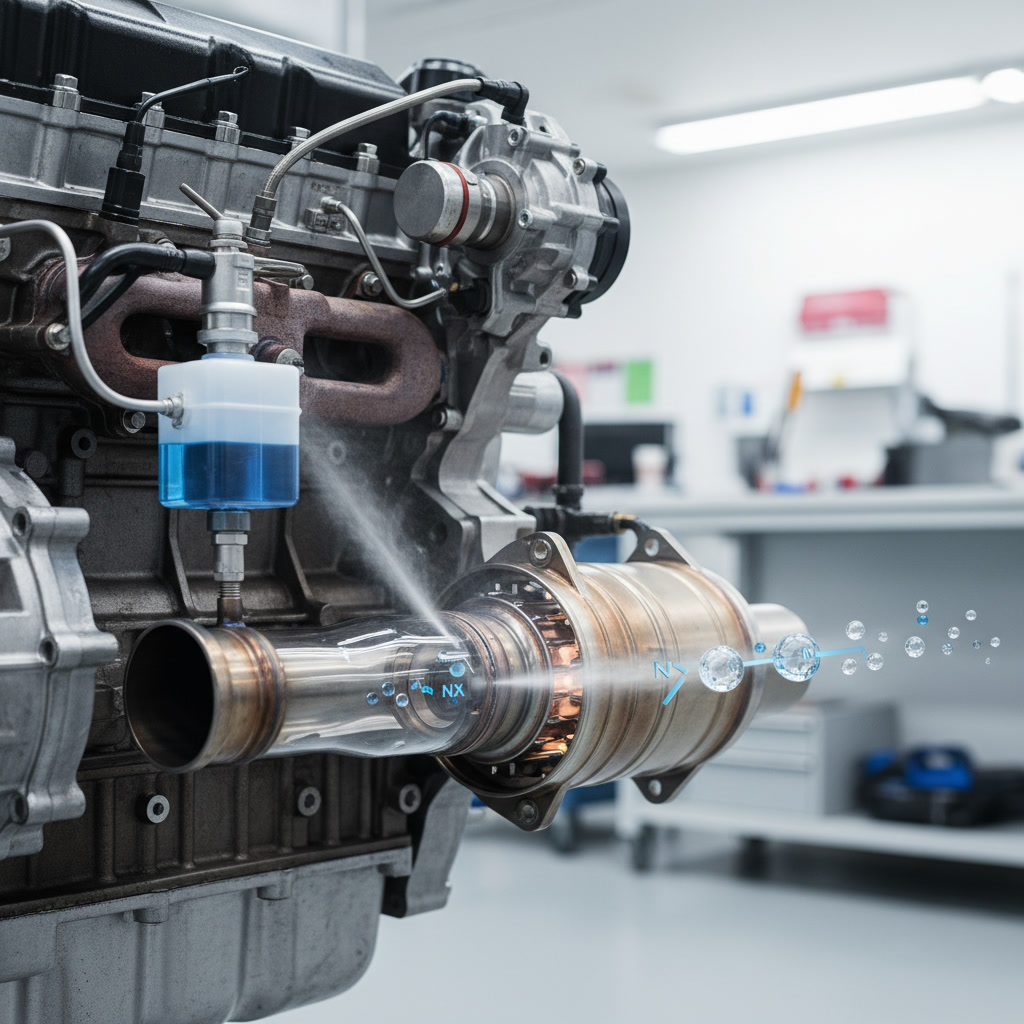
The technology works by injecting a precise amount of DEF into the exhaust stream before it enters the catalytic converter. This chemical reaction converts harmful nitrogen oxides into harmless nitrogen gas and water vapor. Without DEF, your truck cannot complete this process, and onboard sensors will detect the problem immediately.
The Chemical Process Behind Emission Reduction
DEF consists of 32.5 percent urea and 67.5 percent deionized water. This exact ratio matters because it determines the freezing point (12 degrees Fahrenheit) and ensures the proper chemical reaction inside the SCR catalyst.
When DEF enters the hot exhaust stream, it vaporizes and decomposes into ammonia and carbon dioxide. The ammonia then reacts with nitrogen oxides over a special catalyst coating, breaking them down into nitrogen and water. This reaction happens continuously while the engine runs, which is why DEF consumption is directly tied to fuel usage.
What Your Dashboard Warning Lights Mean
Your diesel truck uses a multi-stage warning system to alert you about DEF levels. Most systems start with a yellow warning light when the tank drops below 10 percent capacity. This typically gives you about 1,000 miles of range before more serious warnings appear.
At 5 percent capacity, the warning escalates. Some manufacturers add a message to the driver information center stating the distance remaining before speed restrictions begin. At 2.5 percent, you’ll see more urgent warnings and countdown messages. Once the tank is empty, the system enforces speed and power limitations that make normal driving impossible.
Performance Restrictions When DEF Runs Out
Different manufacturers program different responses, but all modern diesel trucks limit performance when DEF runs out. Most systems allow you to complete your current drive cycle but restrict the truck to 55 mph or less on the next startup. Some models drop maximum speed to just 5 mph, essentially preventing you from driving until you refill the tank.
These restrictions are hardcoded into the engine control module and cannot be bypassed or reset without refilling the DEF tank. The system is designed this way intentionally to prevent drivers from operating the vehicle without a functioning emissions system. Diesel repair and maintenance professionals see these warnings ignored far too often, leading to stranded vehicles and emergency service calls.
How to Check and Refill Your DEF Tank in San Marcos
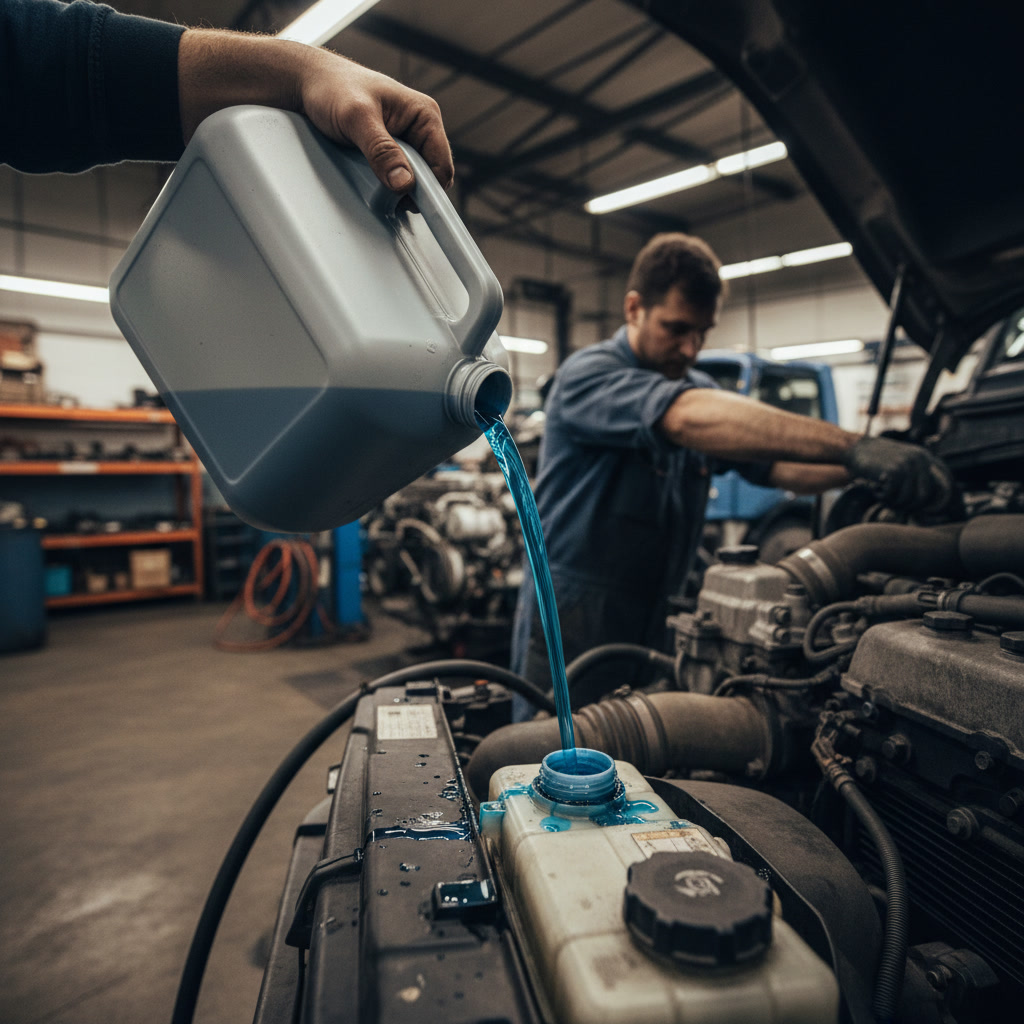
The DEF tank on most trucks holds between 5 and 22 gallons, depending on the vehicle size and manufacturer. The filler cap is usually located next to the diesel fuel cap, though some models place it under the hood or behind a rear panel.
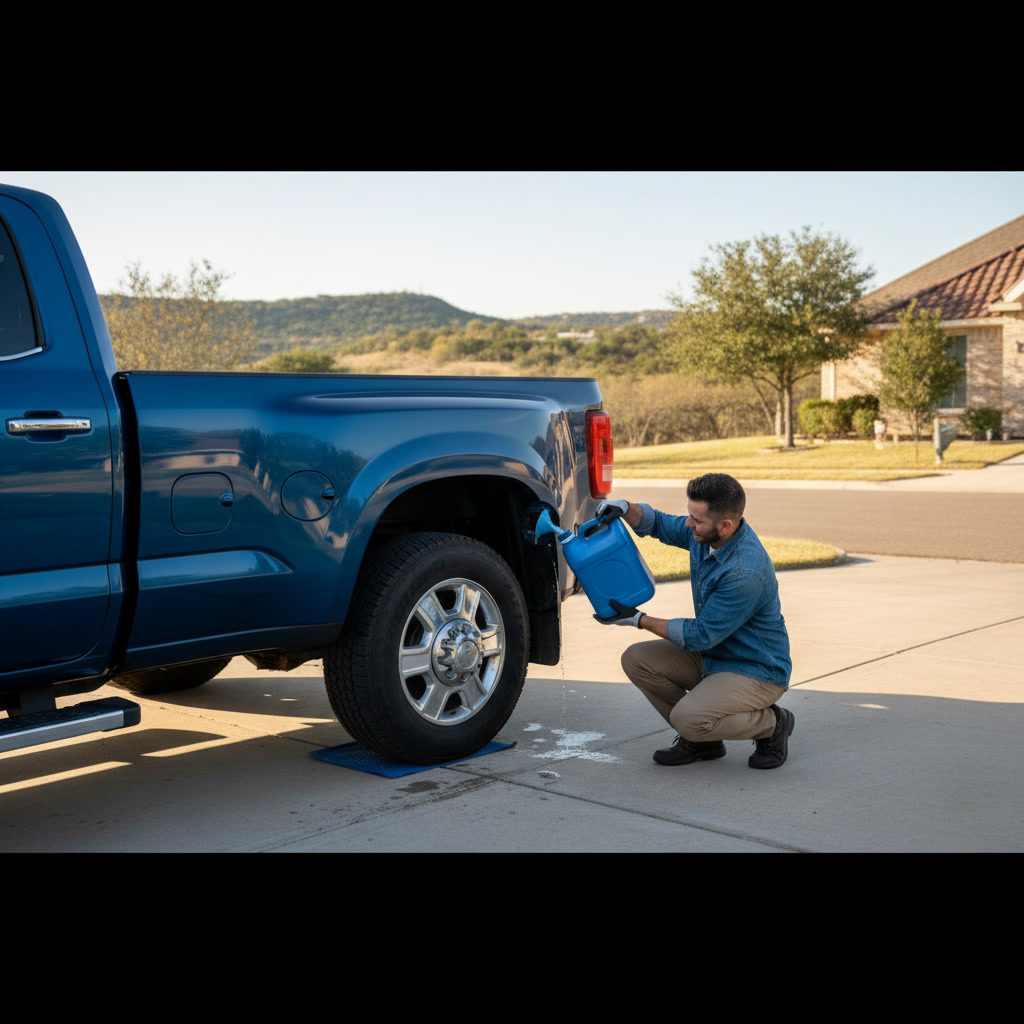
You can purchase DEF at most truck stops, auto parts stores, and big-box retailers. It comes in jugs ranging from 2.5 gallons to bulk containers. Store DEF in a cool, dry place away from direct sunlight, and never mix it with fuel or other fluids. Contaminated DEF can damage the SCR system and require expensive repairs.
Check your DEF level every time you fuel up. The dashboard gauge isn’t always accurate at low levels, so a visual check of the tank gives you better information. If you manage a fleet, establish a regular inspection schedule that includes DEF levels alongside other preventative maintenance checks.
Common DEF System Problems Beyond Empty Tanks
Running out of DEF is just one potential issue. The system includes pumps, injectors, sensors, and heaters that can fail over time. Contaminated DEF is a leading cause of system damage, often from accidentally adding fuel, water, or other fluids to the DEF tank.
DEF quality also degrades over time, especially when exposed to extreme temperatures. The fluid can crystallize in cold weather if the tank heater fails, blocking lines and preventing proper flow. In hot climates, extended storage above 86 degrees breaks down the urea, reducing effectiveness and potentially damaging sensors.
Sensor failures create false warnings or prevent the system from detecting low DEF levels accurately. A faulty level sensor might show a full tank when you’re actually running low, leading to unexpected performance restrictions. These electrical issues require diagnostic equipment to identify and should be addressed by technicians experienced with how diesel engines work and their emissions systems.
The Cost of Ignoring DEF Warnings
Beyond the immediate inconvenience of reduced speed and power, ignoring DEF warnings can lead to more serious problems. Operating a diesel engine with a malfunctioning SCR system increases exhaust temperatures, placing additional stress on turbochargers, exhaust manifolds, and other components.
Repeated instances of running the tank completely dry can damage the DEF pump and injector. These components are designed to handle liquid, not air. Running them dry causes excessive wear and heat buildup that shortens their lifespan significantly. Replacement costs for a DEF pump and injector assembly typically range from $800 to $2,000 including parts and labor.
Some owners attempt to bypass or disable the DEF system entirely. This is illegal under federal law and can result in fines up to $4,527 per day of violation. It also voids manufacturer warranties and creates liability issues if the vehicle is involved in an accident or fails an emissions inspection.
Best Practices for DEF Management
Keep your DEF tank above 25 percent whenever possible. This ensures you have buffer room if consumption increases due to heavy loads or stop-and-go driving. Purchase DEF from reputable sources and check the product for the API certification mark, which guarantees it meets ISO standards for purity.
Never use DEF that has been opened and stored for more than a year. Once exposed to air, the fluid begins to degrade and can form deposits that clog injectors. If you notice white crystals around the DEF cap or filler neck, clean them immediately to prevent contamination of fresh fluid.
During winter months, park in a garage when possible to keep DEF from freezing. Most trucks include tank heaters, but they can fail. If the fluid does freeze, don’t add heat from external sources. Let the engine idle until the built-in heater thaws the tank naturally. Adding hot water or other heat sources can crack the tank or damage sensors.
When to Seek Professional Diesel Service
If your DEF warning lights appear even after refilling the tank, you likely have a system fault that requires diagnosis. This could be a faulty sensor, a clogged injector, a failed heater, or contaminated fluid. Professional diagnostic equipment can read system codes and identify the specific component causing the problem.
Watch for unusual DEF consumption patterns. If you’re refilling the tank far more often than expected based on your fuel usage, you may have a leak or an injector that’s over-dosing. Conversely, if consumption seems too low, the injector might be clogged or the pump might be failing.
Any warning messages about DEF quality should be addressed immediately. These indicate the system has detected contamination or fluid that doesn’t meet specifications. Continuing to operate with contaminated DEF will damage the SCR catalyst, which can cost $3,000 or more to replace. Pay attention to signs your diesel truck needs immediate repair and address them promptly.
Keeping Your Diesel Running Clean and Strong
Diesel exhaust fluid is a non-negotiable part of owning a modern diesel truck. The system is reliable when maintained properly, but it requires attention and quality fluid to function as designed. Checking levels regularly, using certified DEF, and addressing warning lights promptly keeps the emissions system working and prevents the frustration of performance restrictions.
Understanding what happens when the tank runs dry helps you avoid being stranded or facing speed limitations at the worst possible time. The multi-stage warning system gives plenty of notice, but only if you pay attention to the dashboard and act before the final countdown begins.
APREMIER Auto Shops provides comprehensive diesel repair and maintenance for trucks throughout Hays County. The team diagnoses DEF system faults, repairs emission components, and keeps your diesel running efficiently. Whether you need a sensor replaced, contaminated fluid flushed, or help understanding a warning light, the shop has the equipment and experience to get you back on the road. Reach out at +15126497598 to schedule service or discuss your diesel truck’s needs.