Diesel trucks show specific symptoms when major components start to fail. Recognizing diesel truck repair signs early can prevent roadside breakdowns, reduce repair costs, and extend engine life. Common warning signals include unusual exhaust smoke, hard starting, power loss, abnormal noises, and fluid leaks. Each symptom points to a different system that requires professional diagnosis.
Modern diesel engines rely on precise fuel injection timing, turbocharger operation, and emission controls. When one system fails, it often creates a cascade of problems. Understanding which symptoms require urgent attention helps you make informed decisions about your truck’s maintenance schedule.
Why Diesel Engines Show Different Warning Signs
Diesel engines operate under higher compression ratios than gasoline engines, typically between 14:1 and 25:1. This fundamental difference changes how problems manifest. A failing fuel injector in a diesel creates hard starting and white smoke, while the same issue in a gas engine might just trigger a misfire code.
The high-pressure fuel system in modern diesels operates at 25,000 to 30,000 PSI. When seals or injectors begin to fail at these pressures, you’ll notice immediate performance changes. Diesel fuel also acts as a lubricant for injection components, so contaminated fuel causes faster wear than similar contamination would in gasoline systems.
Hard Starting and Extended Cranking Times
A healthy diesel should fire within three to five seconds of cranking. Extended cranking times signal fuel delivery problems, glow plug failures, or compression loss. Cold weather makes these issues more obvious, but if your truck struggles to start in warm weather, the problem is advanced.
Glow plugs heat combustion chambers to aid cold starts. A single failed glow plug might cause rough idle for 30 seconds after starting. Multiple failed plugs make starting nearly impossible below 40 degrees. Most trucks built after 2010 will log a glow plug code, but older systems require manual testing.
Low fuel pressure from a failing lift pump creates long crank times even when glow plugs work perfectly. The injection pump needs adequate supply pressure to generate the extreme pressures required for combustion. If you hear the engine turn over repeatedly before catching, have fuel pressure tested immediately.
Exhaust Smoke Color and What It Reveals
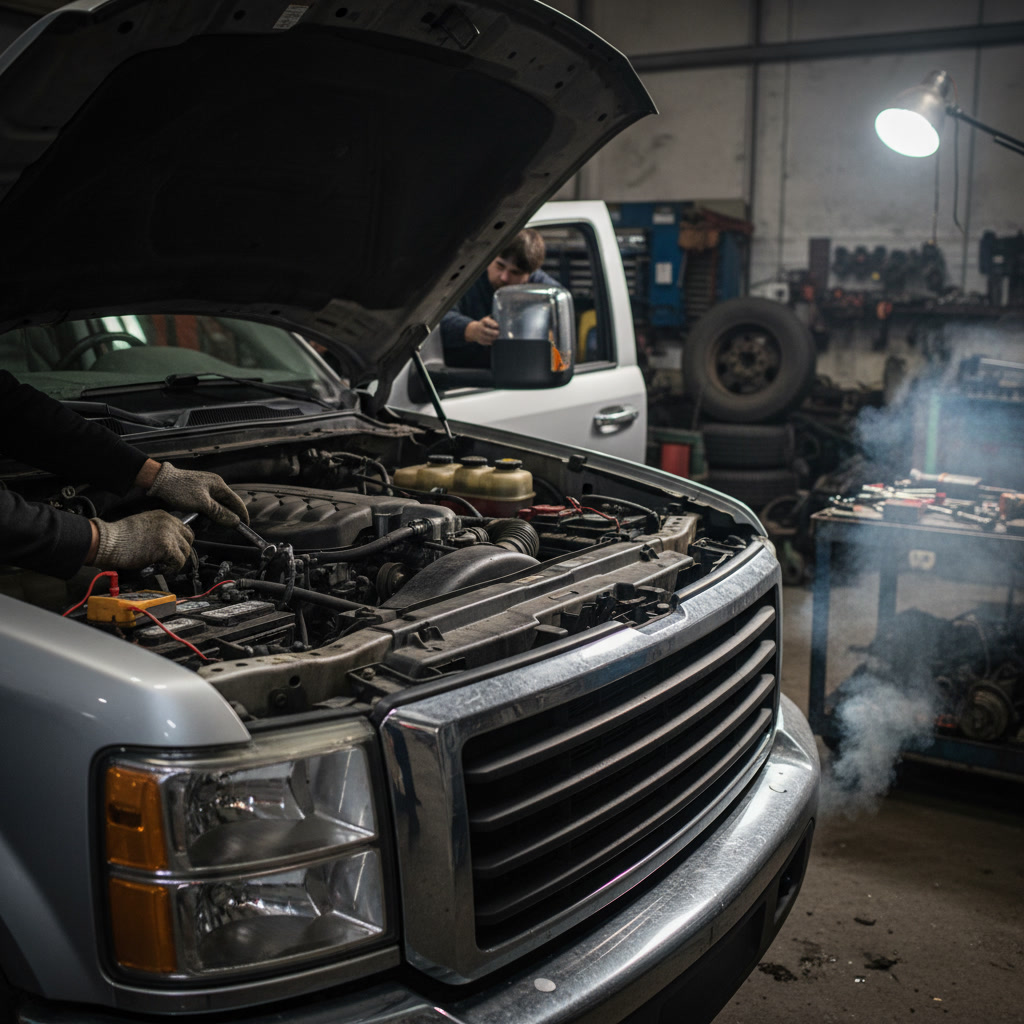
Exhaust smoke color provides direct insight into combustion quality. Black smoke indicates incomplete fuel burning, usually from overfueling, restricted air intake, or turbocharger failure. White smoke means unburned fuel is passing through the cylinders, caused by low compression, failed injectors, or incorrect injection timing.
Blue smoke signals oil entering the combustion chamber through worn rings, valve seals, or turbocharger seals. A small puff of blue smoke on startup is normal on high-mileage engines, but continuous blue smoke during operation means internal wear has progressed beyond acceptable limits.
Gray smoke often appears during regeneration cycles on trucks with diesel particulate filters. This is normal during active regen. However, constant gray smoke outside regeneration cycles suggests injector problems or EGR system failures that allow too much exhaust gas to recirculate.
Loss of Power Under Load
Diesel engines generate peak torque at low RPM. When you notice power loss while towing, climbing grades, or accelerating onto highways, several systems could be failing. Turbocharger issues are the most common cause, but fuel filters, air filters, and exhaust restrictions also limit power.
A failing turbocharger typically shows gradual power loss over weeks or months. You’ll notice the truck can’t maintain highway speeds on hills that never challenged it before. Listen for changes in turbo whistle pitch or grinding sounds that indicate bearing wear.
Restricted fuel filters reduce flow to the injection pump. Most manufacturers recommend fuel filter changes every 10,000 to 15,000 miles, but poor fuel quality can clog filters in half that distance. If power returns immediately after a filter change, consider more frequent service intervals.
Professional Diesel Diagnostics in San Marcos
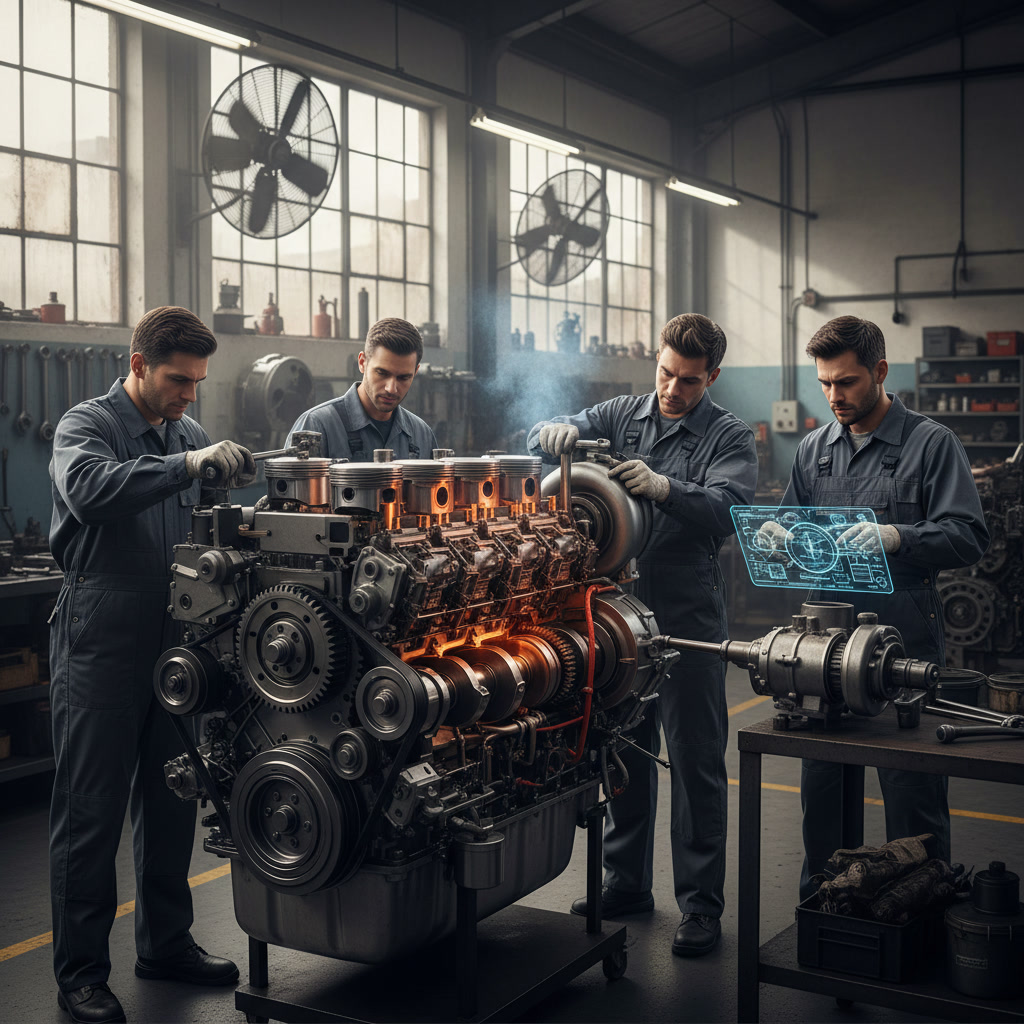
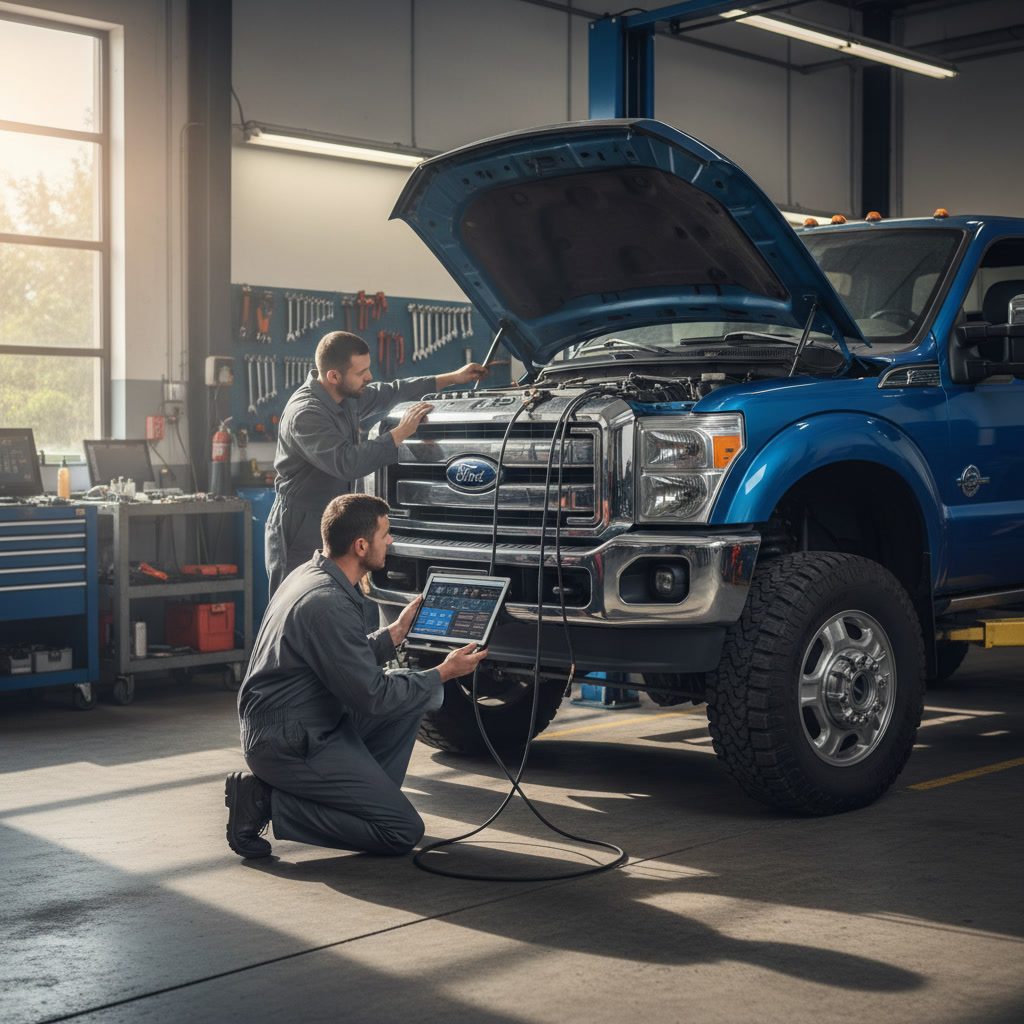
Modern diesel trucks generate dozens of sensor readings every second. Professional scan tools read these data streams to identify problems before they cause failures. Technicians compare actual values against manufacturer specifications to spot developing issues.
Fuel pressure testing requires specialized gauges that handle 30,000 PSI readings. Compression testing on diesel engines uses different procedures than gas engines because of the higher compression ratios. Attempting DIY diagnosis without proper equipment often leads to misdiagnosis and unnecessary parts replacement.
APREMIER Auto Shops performs comprehensive diesel diagnostics using manufacturer-level scan tools and pressure testing equipment. The shop serves the central Texas corridor including Kyle, New Braunfels, and surrounding Hays County communities with same-day diagnostic services for most diesel repairs.
Unusual Noises That Demand Attention
Diesel engines naturally run louder than gas engines due to compression ignition. However, certain sounds indicate immediate problems. A sharp knocking that increases with RPM suggests injection timing problems or failing injectors. This knock differs from the normal diesel clatter and has a metallic, rhythmic quality.
Grinding or squealing from the front of the engine points to accessory bearing failures. The serpentine belt drives the alternator, water pump, power steering pump, and AC compressor. A failing bearing in any of these components can seize suddenly, snapping the belt and leaving you stranded.
Hissing sounds near the turbocharger indicate boost leaks. The turbo pressurizes intake air, and any leak between the compressor and intake manifold reduces power. Small leaks cause noticeable performance loss. Large leaks prevent the engine from reaching full boost pressure, cutting power output by 30 percent or more.
Fluid Leaks and What They Mean
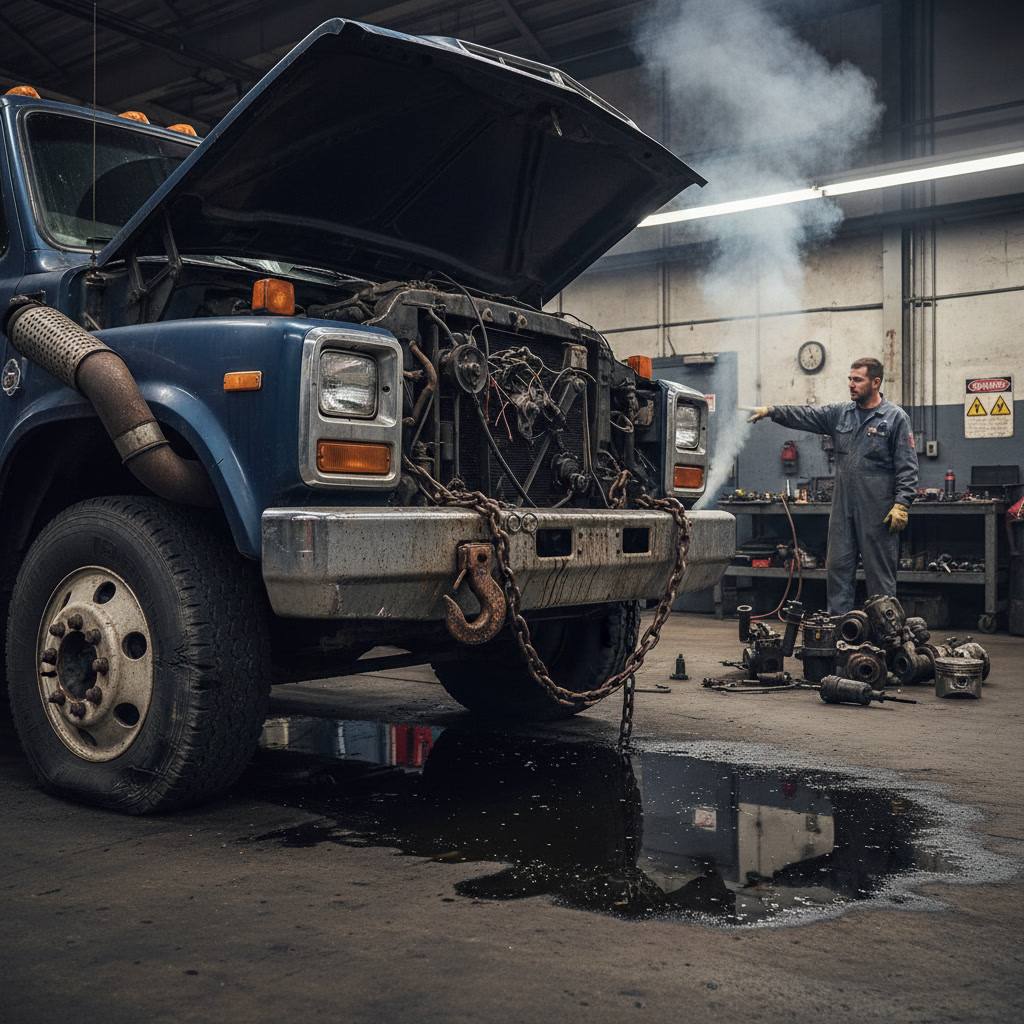
Diesel fuel leaks appear as dark, oily spots that evaporate slowly. Fuel system leaks are dangerous because diesel ignites under compression. Even small fuel weeps around injector seals can cause starting problems and reduce fuel economy. High-pressure fuel leaks create a fine mist that’s difficult to see but easy to smell.
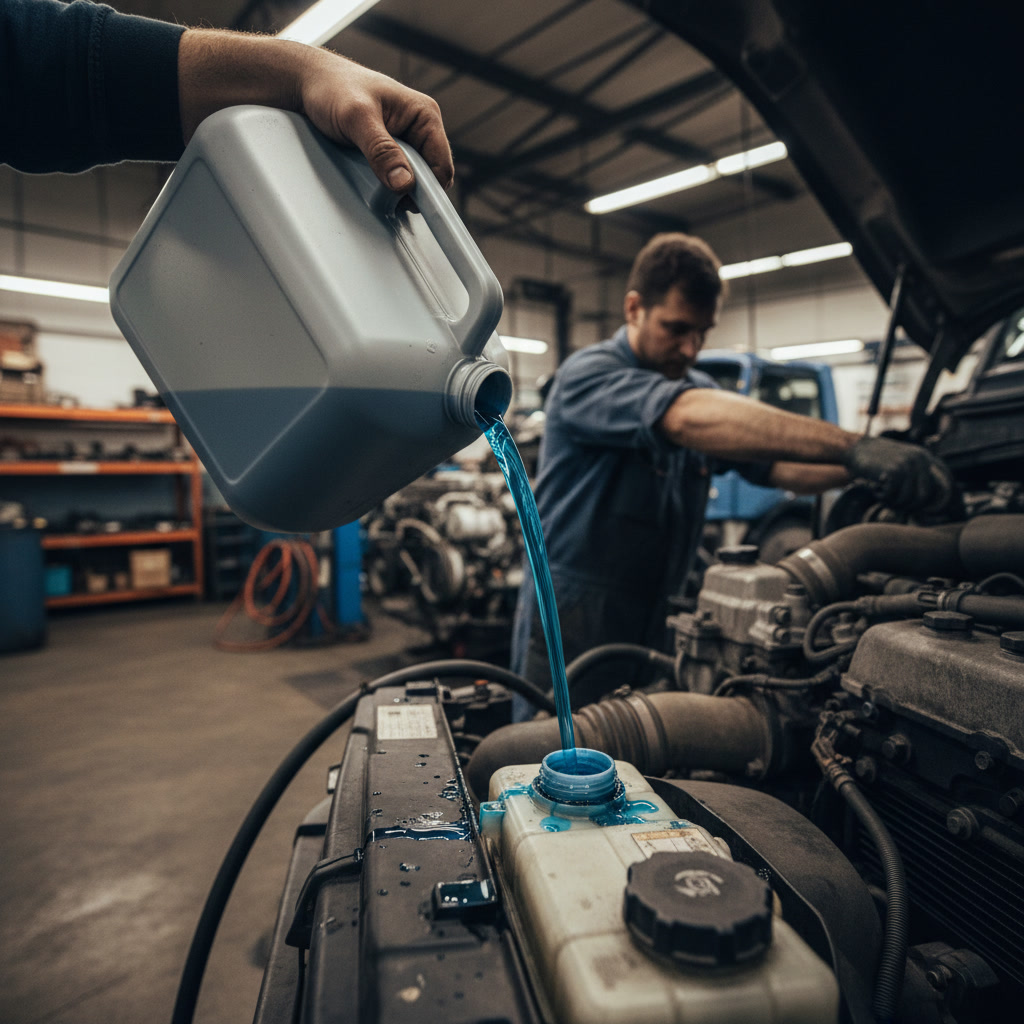
Coolant leaks on diesel engines are particularly serious because many designs use coolant to cool the EGR system. A coolant leak that drops the level below the EGR cooler can cause overheating and cooler failure. Pink or green fluid under the truck after parking indicates an active coolant leak that needs immediate repair.
Oil leaks are common on higher-mileage diesels but shouldn’t be ignored. Front and rear main seals handle extreme pressures. A small seep can become a major leak quickly. Oil dripping onto exhaust components creates smoke and fire risk.
Warning Lights and Computer Codes
The check engine light illuminates when the computer detects any emission-related fault. On diesel trucks, this often relates to EGR valves, DPF sensors, or DEF system problems. While the truck may run normally with the light on, continuing to drive can cause secondary damage.
A flashing check engine light indicates active misfires that can damage the catalytic converter or DPF. Pull over immediately and shut down the engine. Towing is safer than driving when this light flashes.
DEF system warnings appear as separate lights on trucks built after 2010. These systems inject diesel exhaust fluid to reduce emissions. When DEF runs low or the system detects quality problems, the truck limits power progressively. Eventually, it won’t restart until the problem is fixed. Never ignore DEF warnings, even if the truck runs normally.

Fuel Economy Changes
Diesel trucks typically achieve 15 to 25 MPG depending on use. A sudden drop of 2 MPG or more signals developing problems. Fuel economy drops happen gradually as components wear, so sudden changes indicate active failures.
Failing injectors spray fuel incorrectly, reducing combustion efficiency. One bad injector can drop fuel economy by 10 percent. Multiple failing injectors compound the problem. Injector replacement costs are significant, but the fuel waste from delayed repairs often exceeds the repair cost within months.
Restricted air intake from dirty filters or collapsed intake tubes forces the engine to work harder. The computer adds fuel to compensate for reduced airflow, dropping economy. Checking air filter condition takes five minutes and can reveal obvious restrictions.
Regeneration Cycle Problems
Diesel particulate filters capture soot and burn it off during regeneration cycles. Normal regeneration happens automatically during highway driving every 300 to 500 miles. The exhaust smells different, and you might notice slight power reduction during active regen.
Failed regeneration attempts indicate clogged DPF, faulty sensors, or injection problems. The dash displays a DPF warning, and the truck might enter reduced power mode. Continuing to drive with a clogged DPF can raise exhaust temperatures high enough to damage the filter permanently, requiring replacement that costs $2,000 to $4,000.
Short trip driving prevents normal regeneration because the exhaust never gets hot enough. If you mainly drive short distances, schedule monthly highway runs of 30 minutes at 55 MPH or faster. This allows passive regeneration and prevents soot buildup. When that’s not possible, dealer or shop-forced regeneration services keep the system functioning.
Keeping Your Diesel Running Reliably
Recognizing warning signs early makes the difference between a minor repair and a major breakdown. Most diesel failures show symptoms for weeks before complete failure. Paying attention to changes in starting behavior, smoke color, power delivery, and unusual sounds gives you time to schedule repairs before you’re stranded.
Regular maintenance intervals matter more on diesel engines than gas engines because of the extreme operating pressures. Fuel quality affects longevity significantly. Using top-tier diesel fuel and changing filters on schedule prevents the majority of fuel system failures.
If you notice any of the warning signs described above, professional diagnosis identifies the root cause and prevents secondary damage. APREMIER Auto Shops provides transparent diesel diagnostics with clear explanations of needed repairs. The team works on all diesel makes and models, from light-duty trucks to heavy commercial vehicles.
Schedule your diesel truck inspection by calling +15126497598 to discuss your vehicle’s symptoms and arrange a diagnostic appointment that fits your schedule.